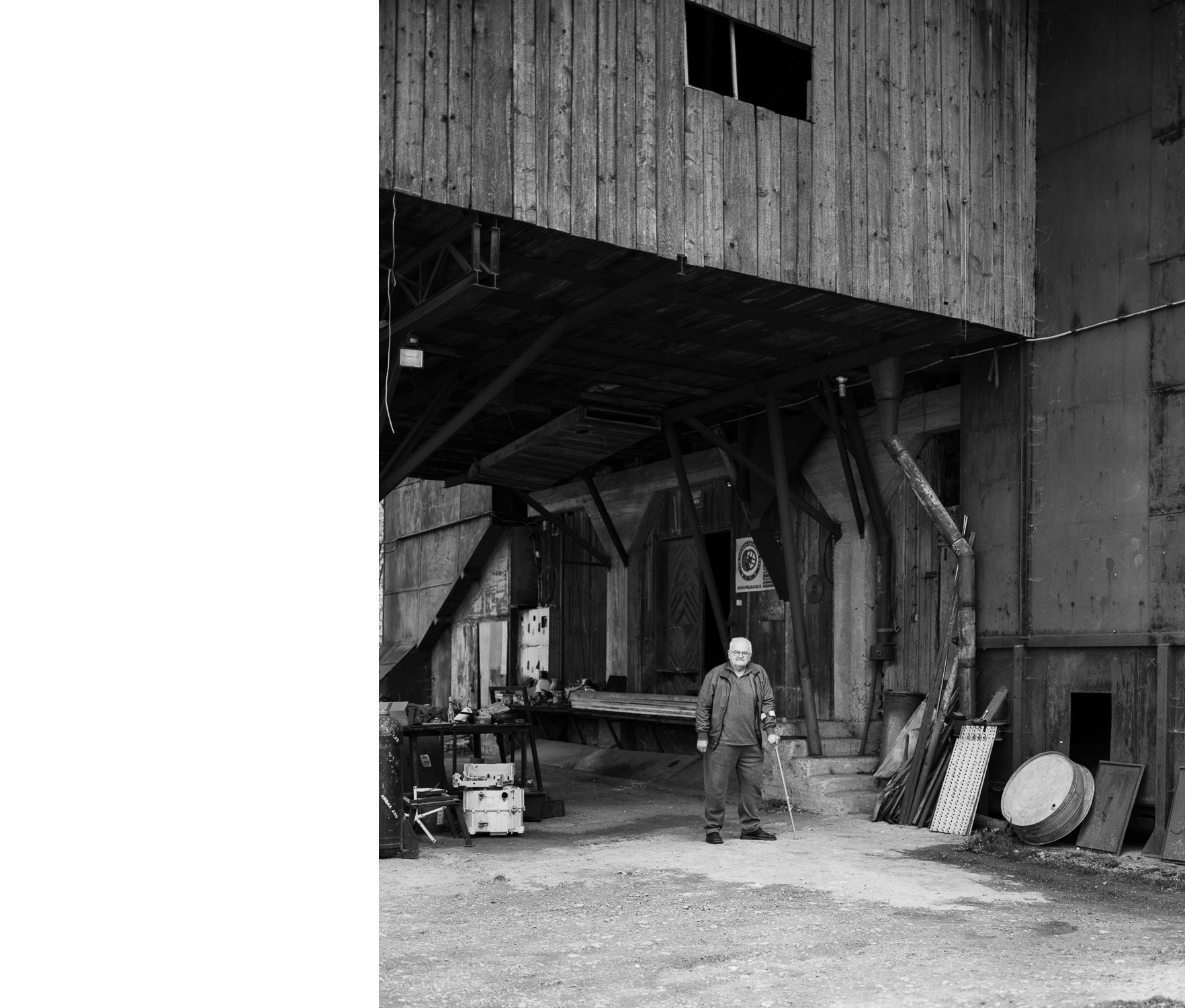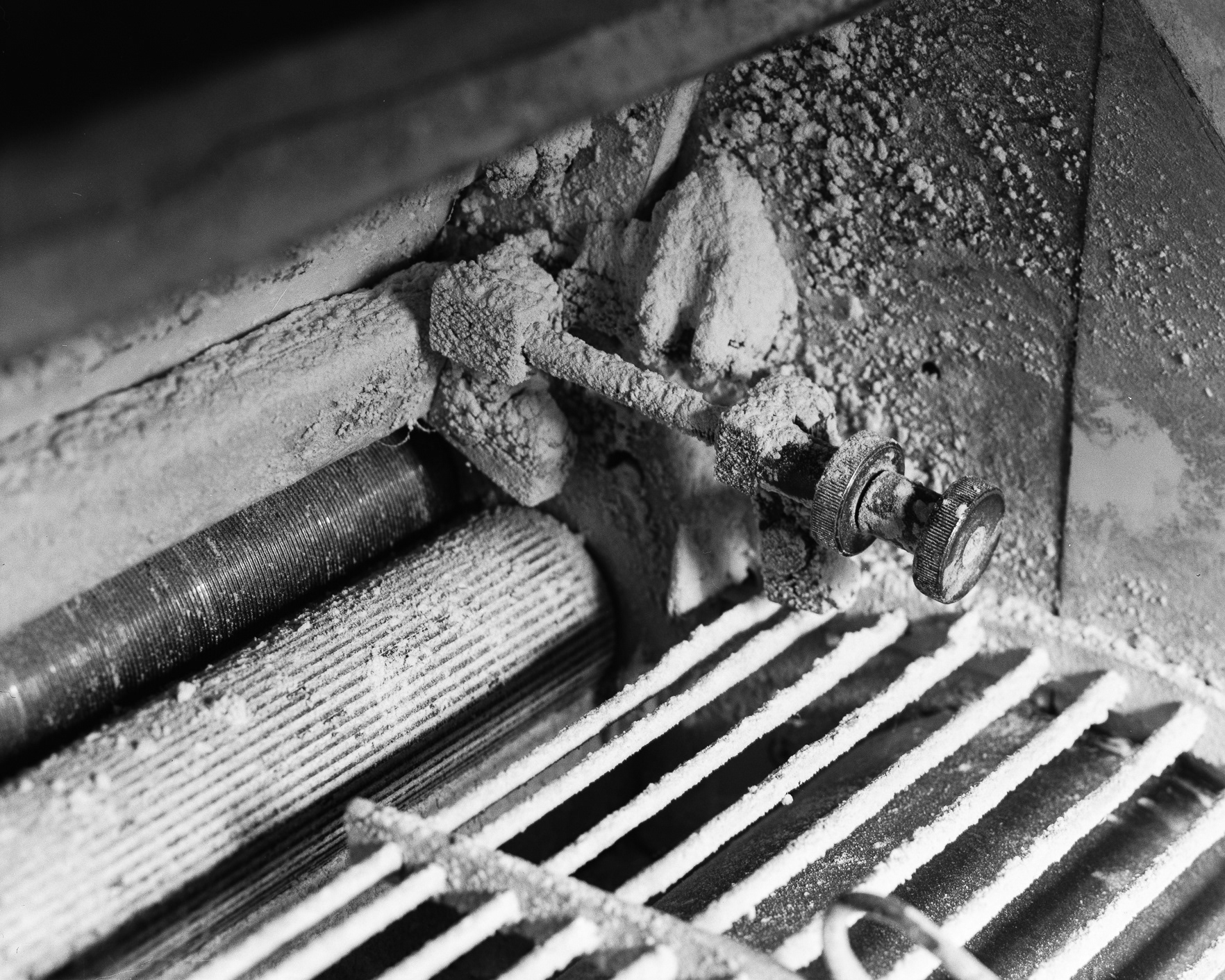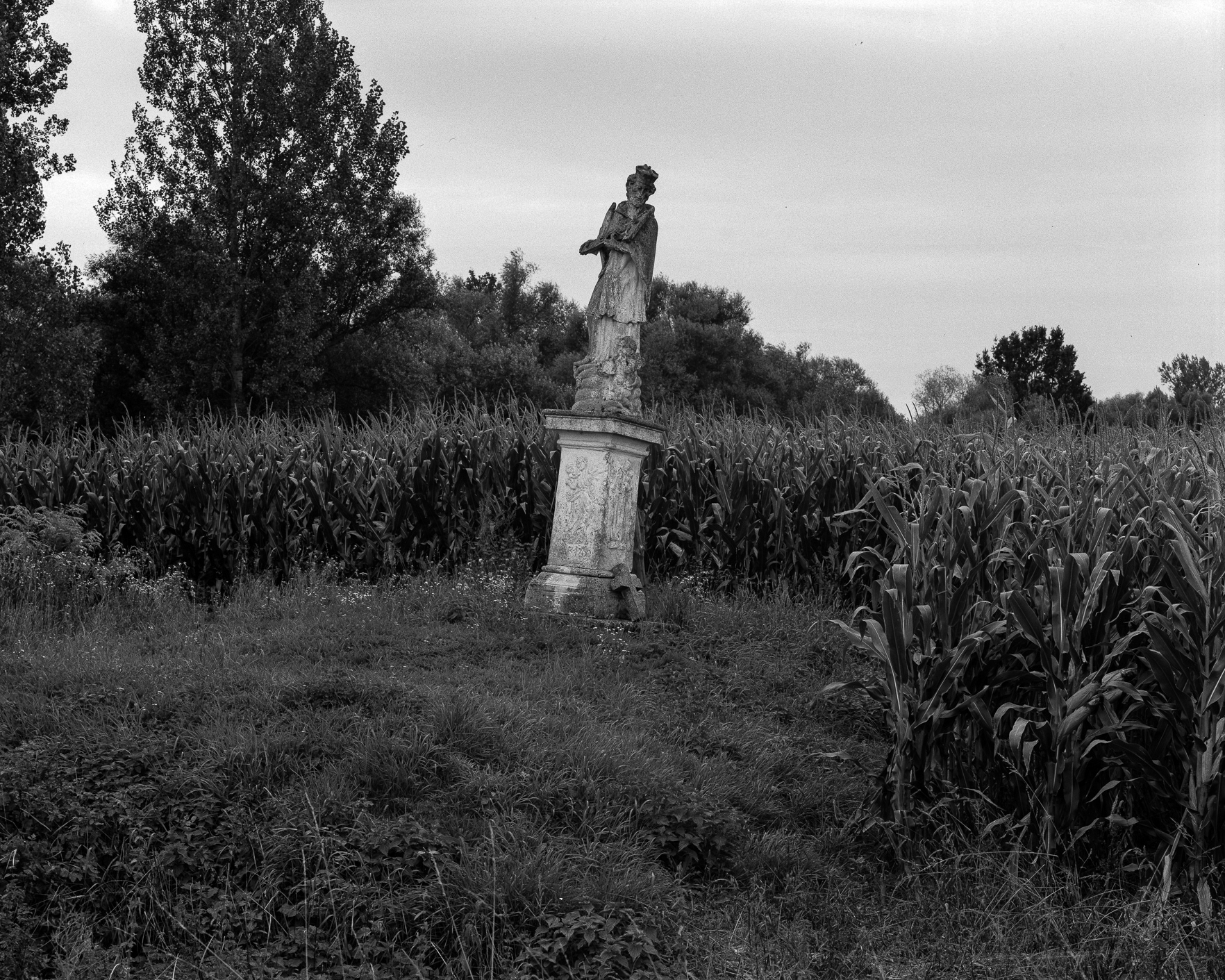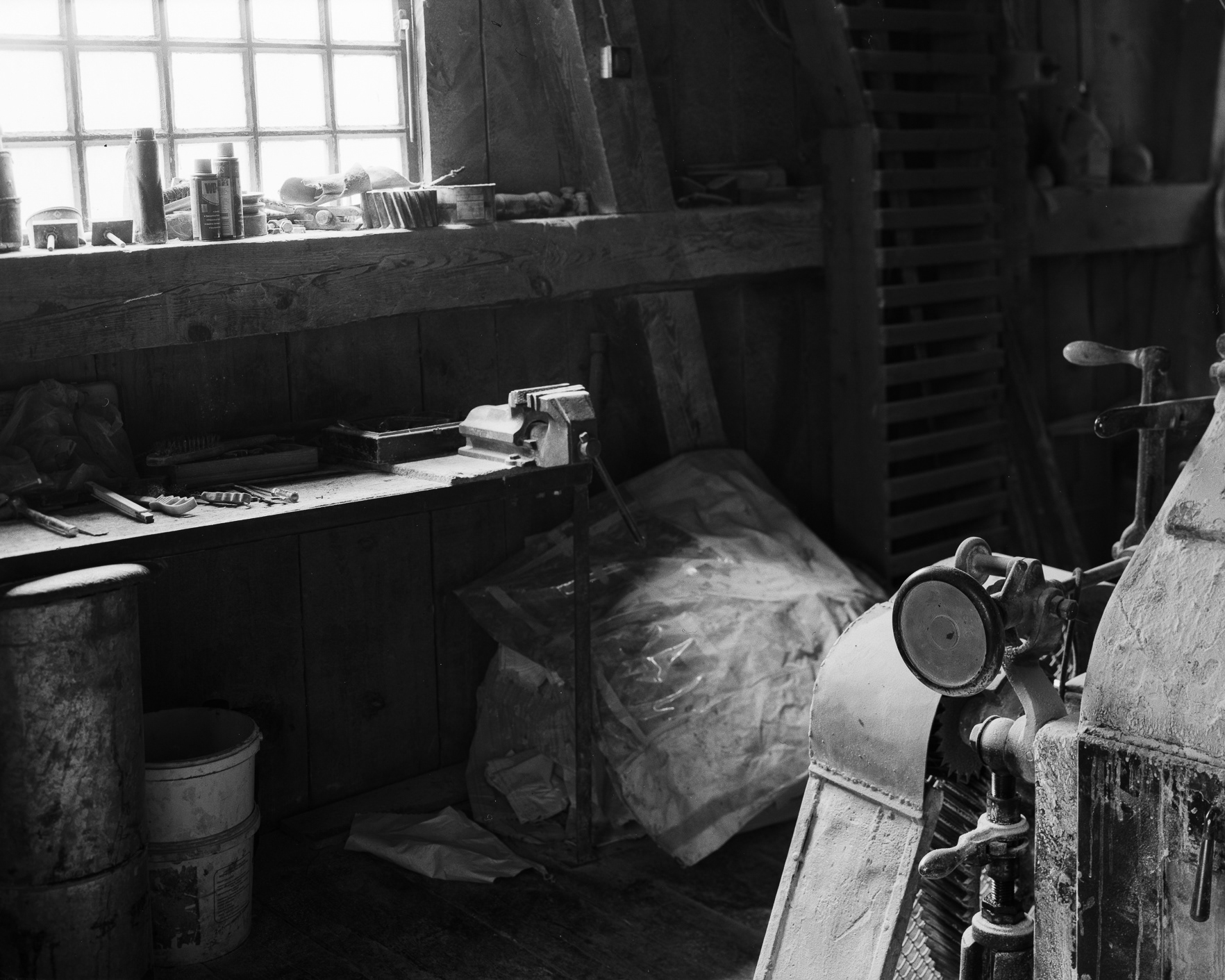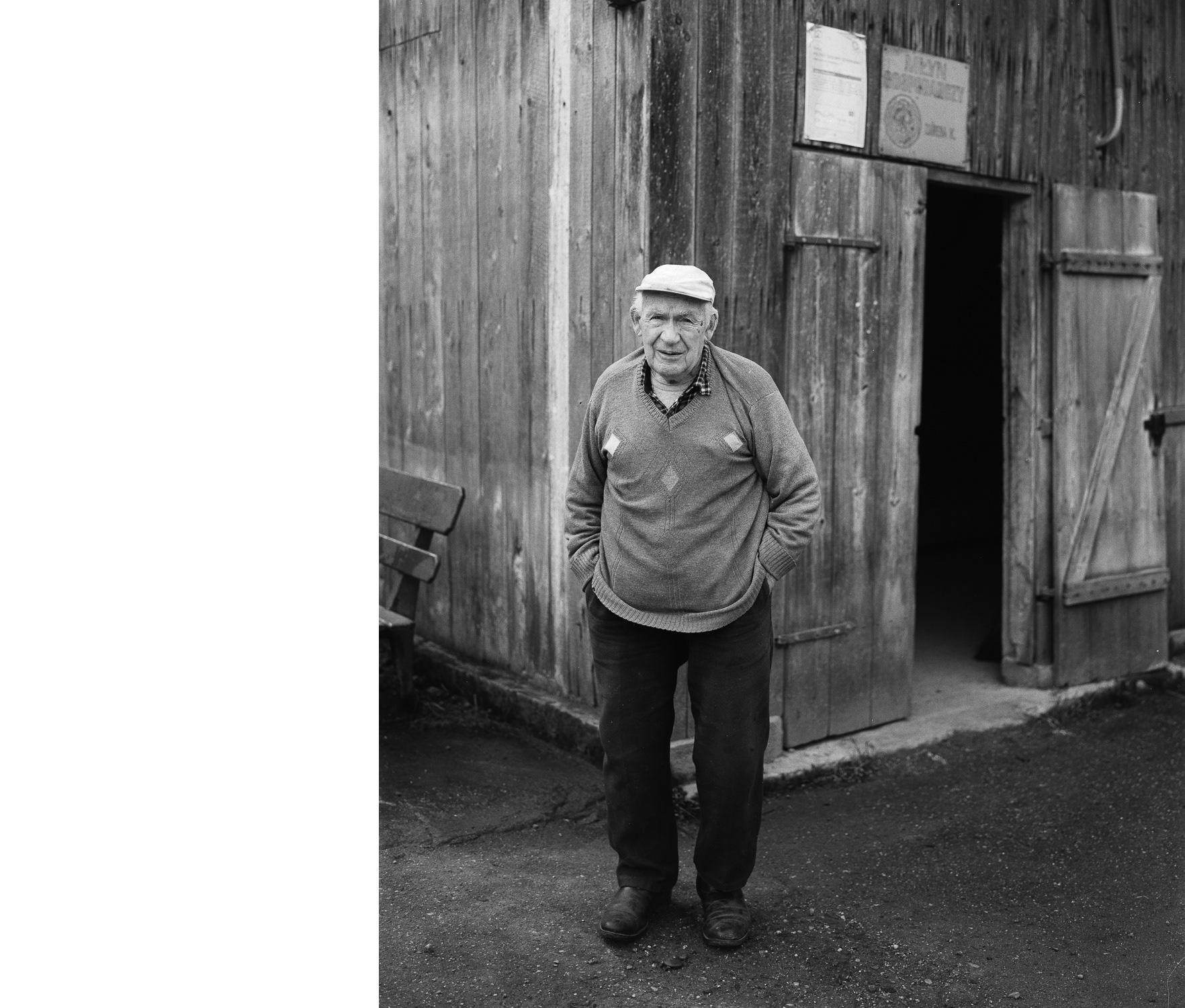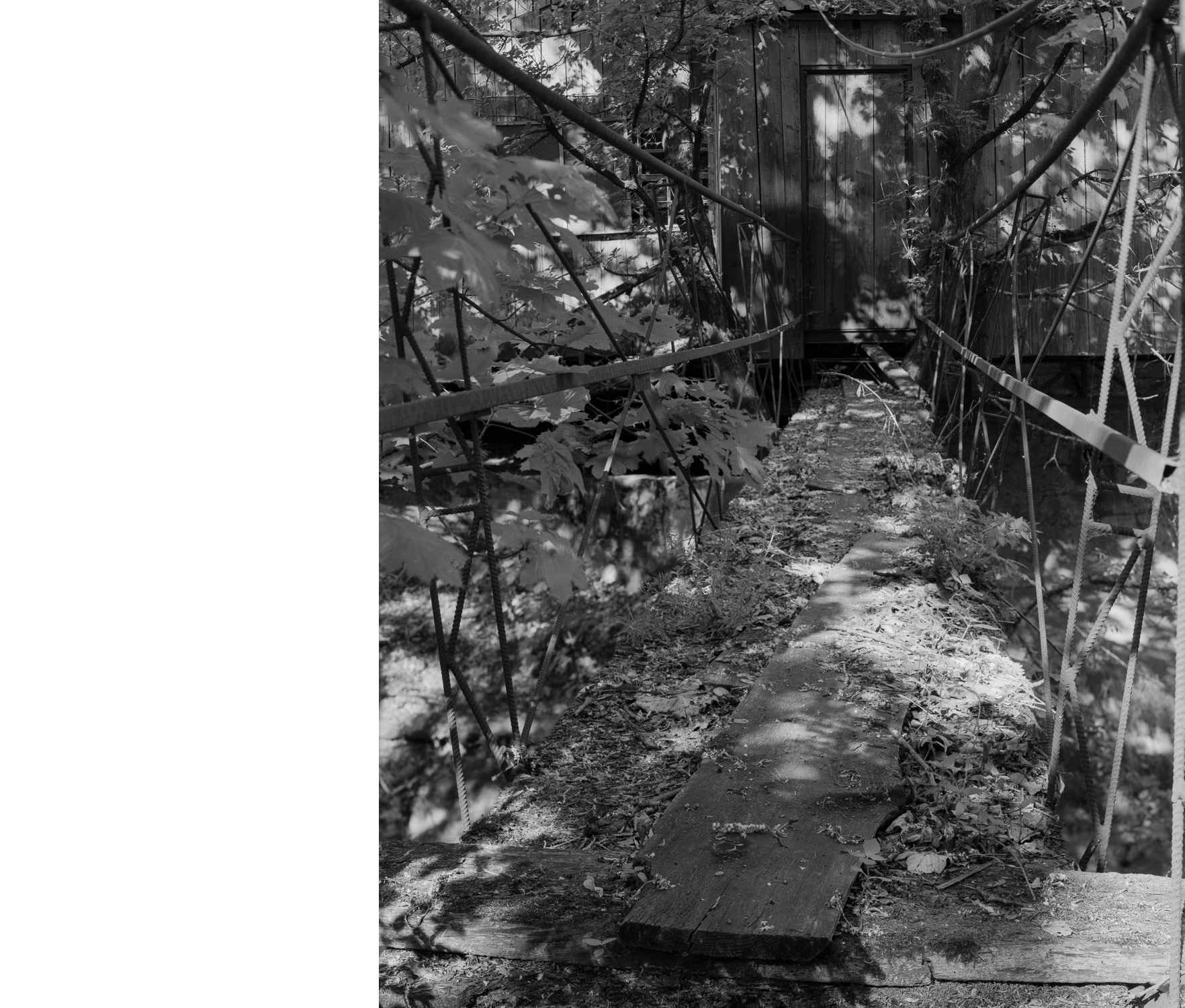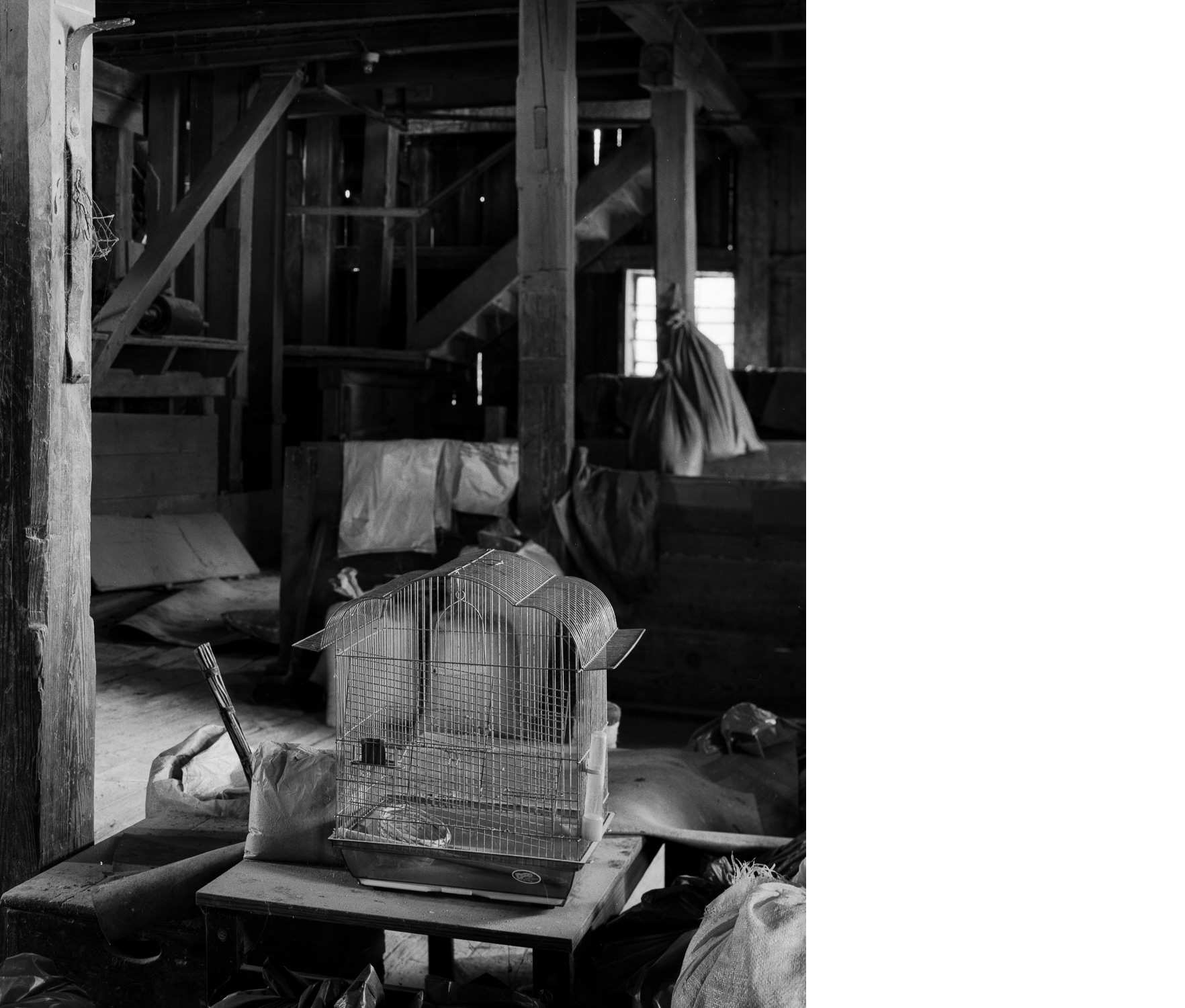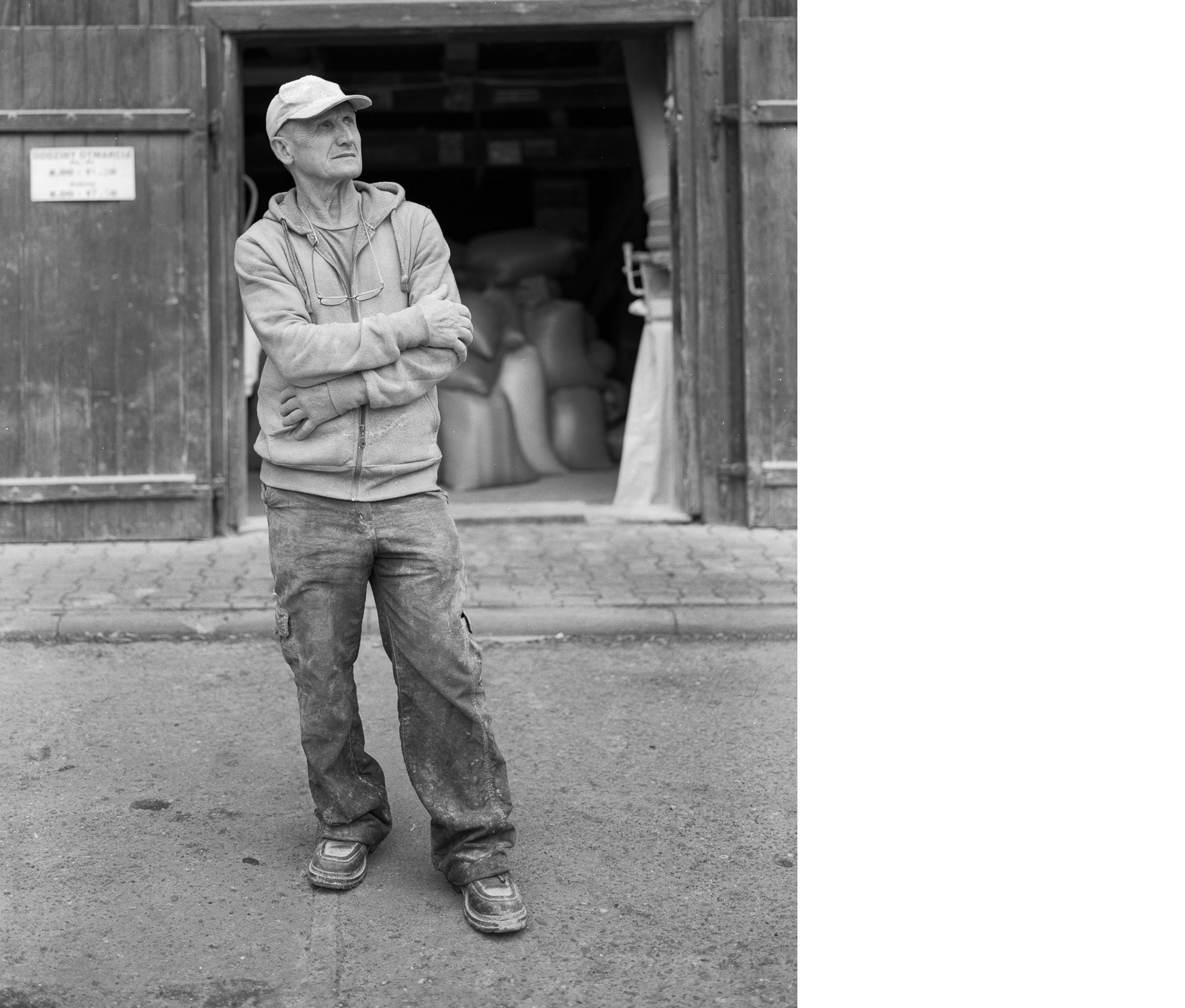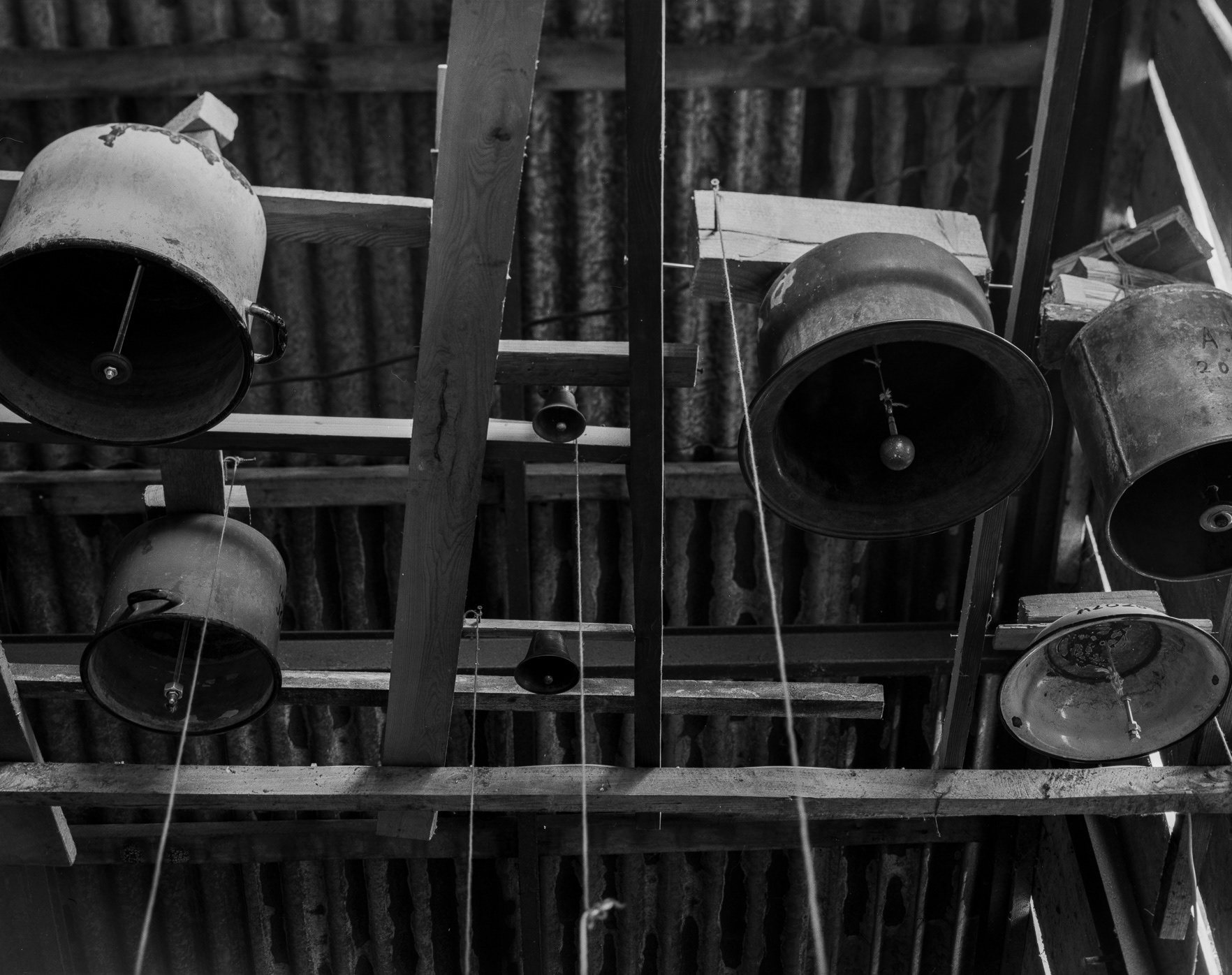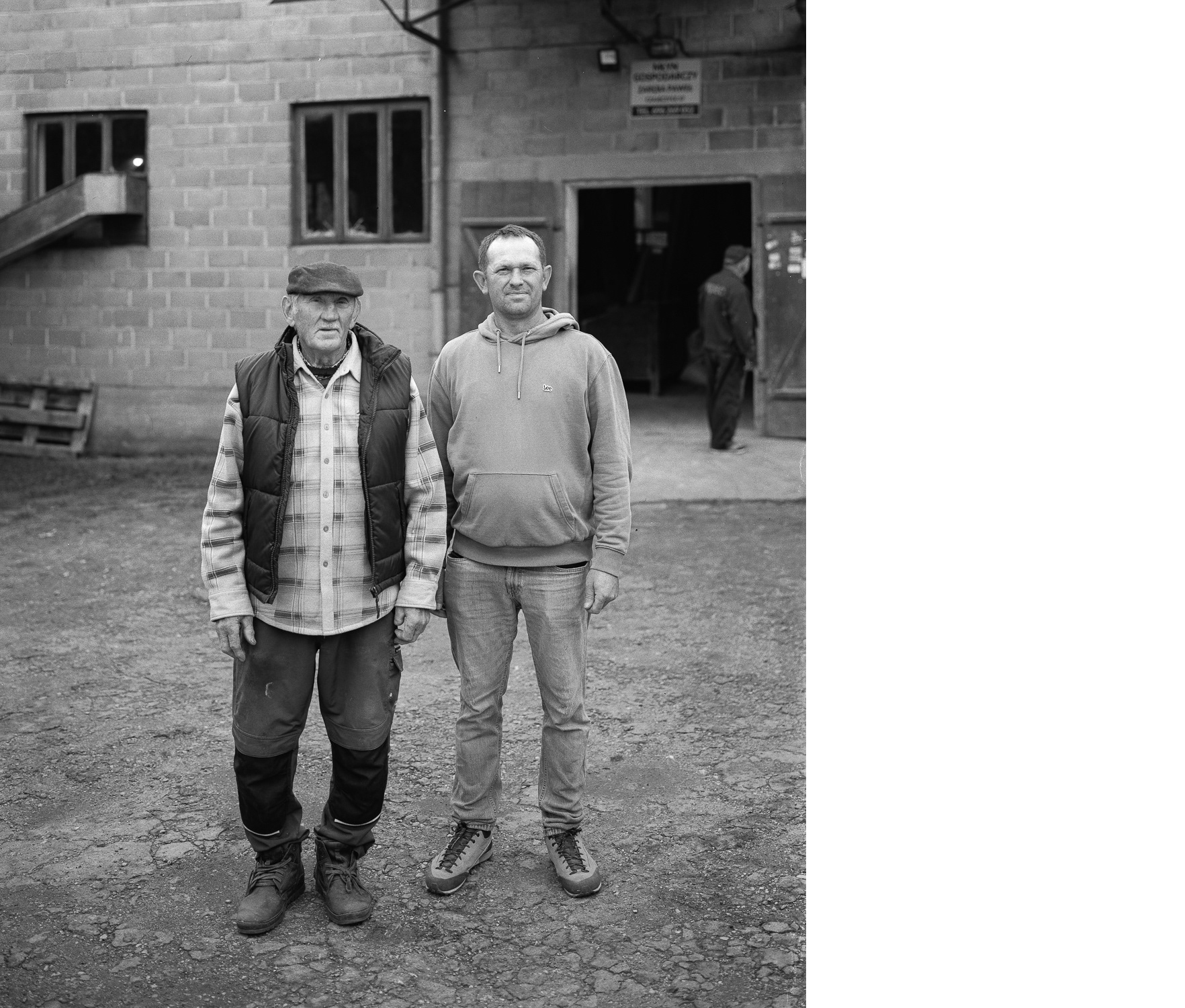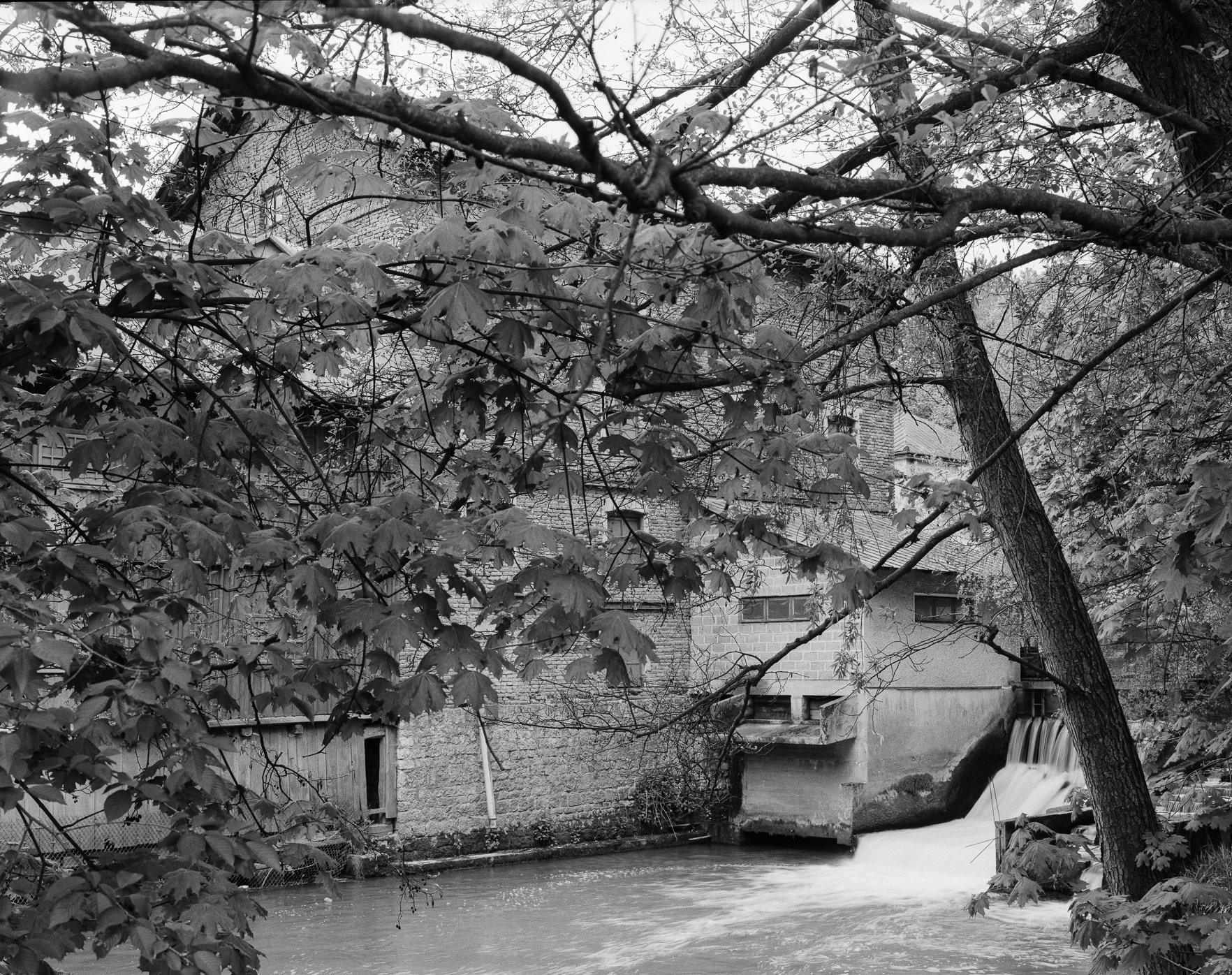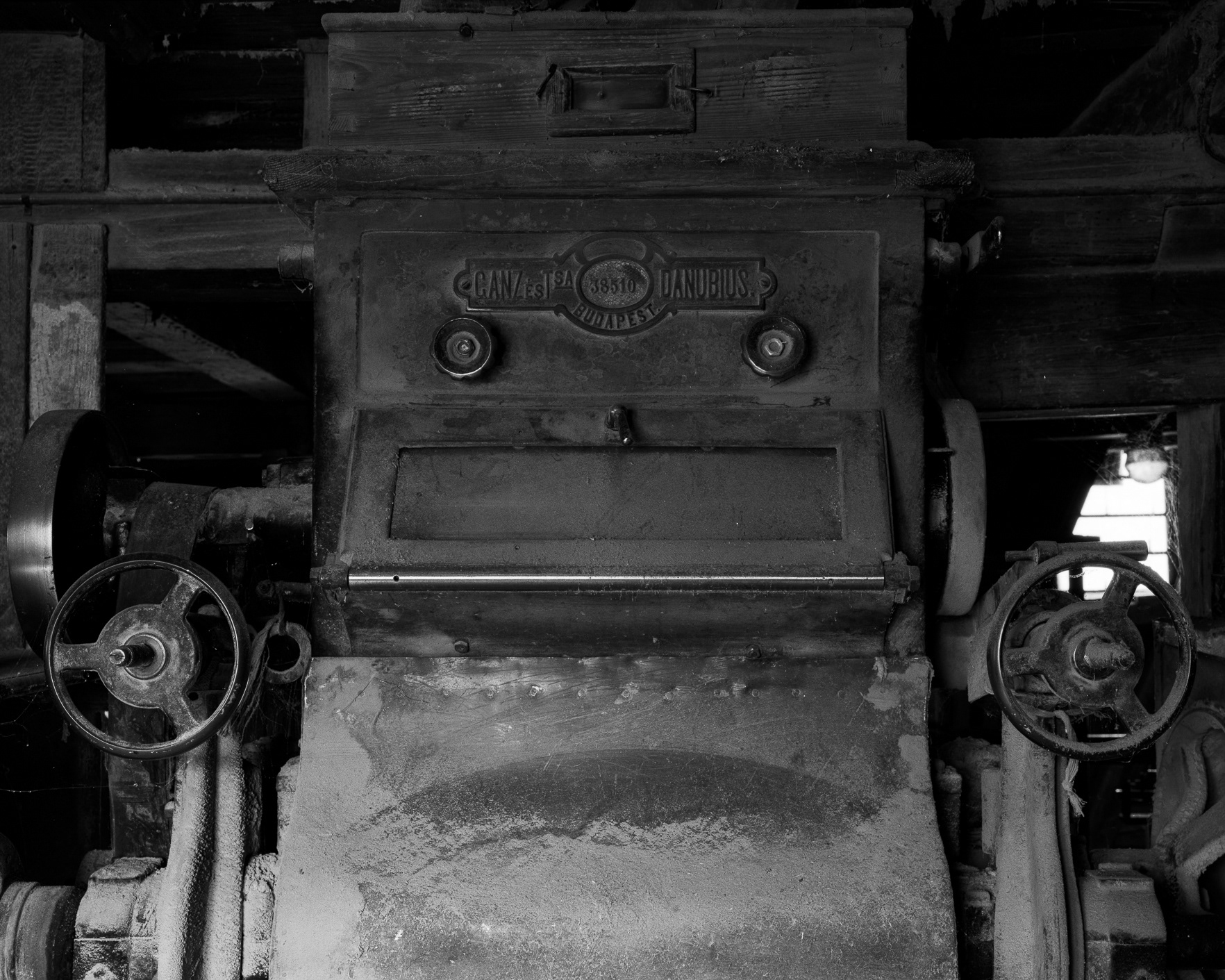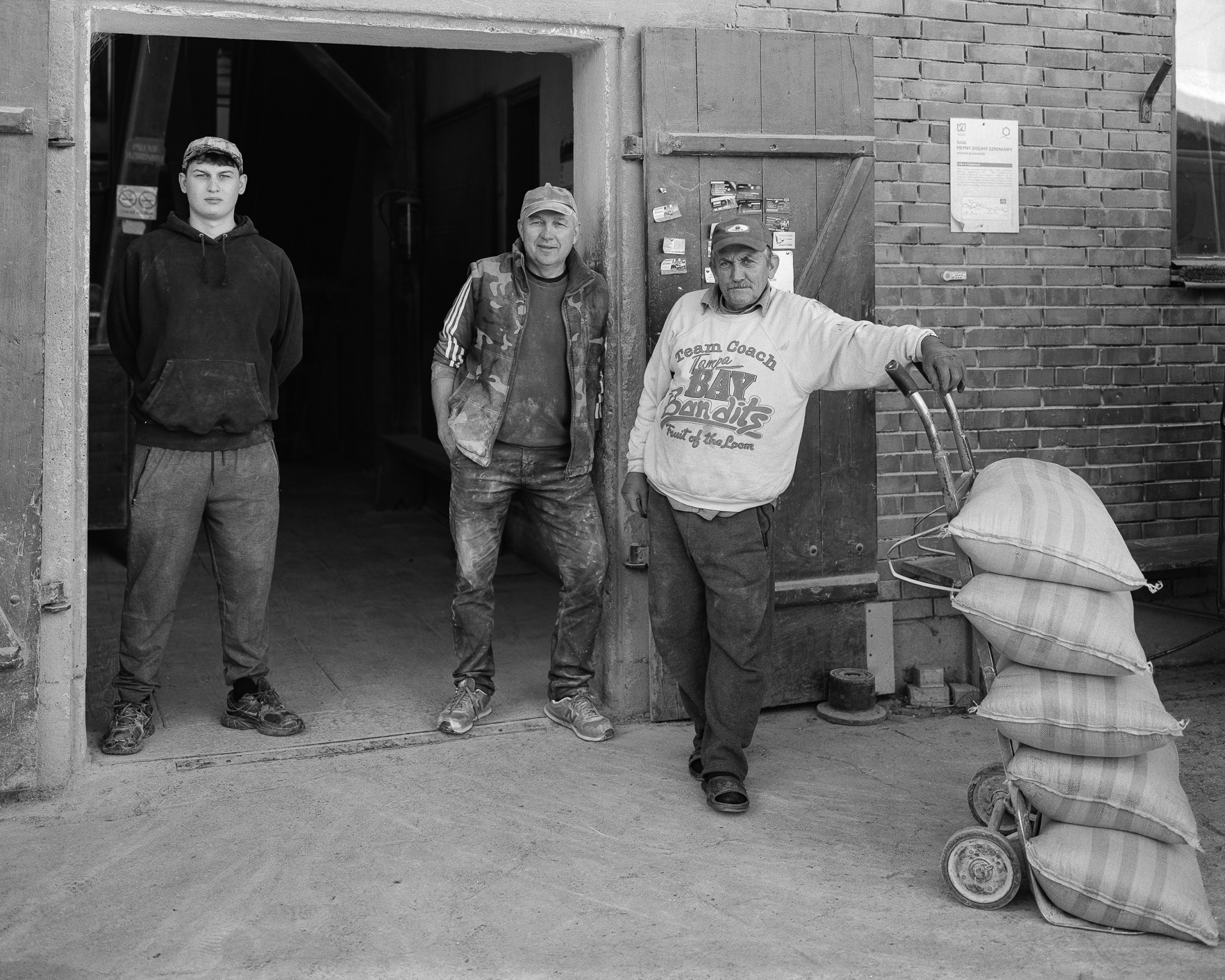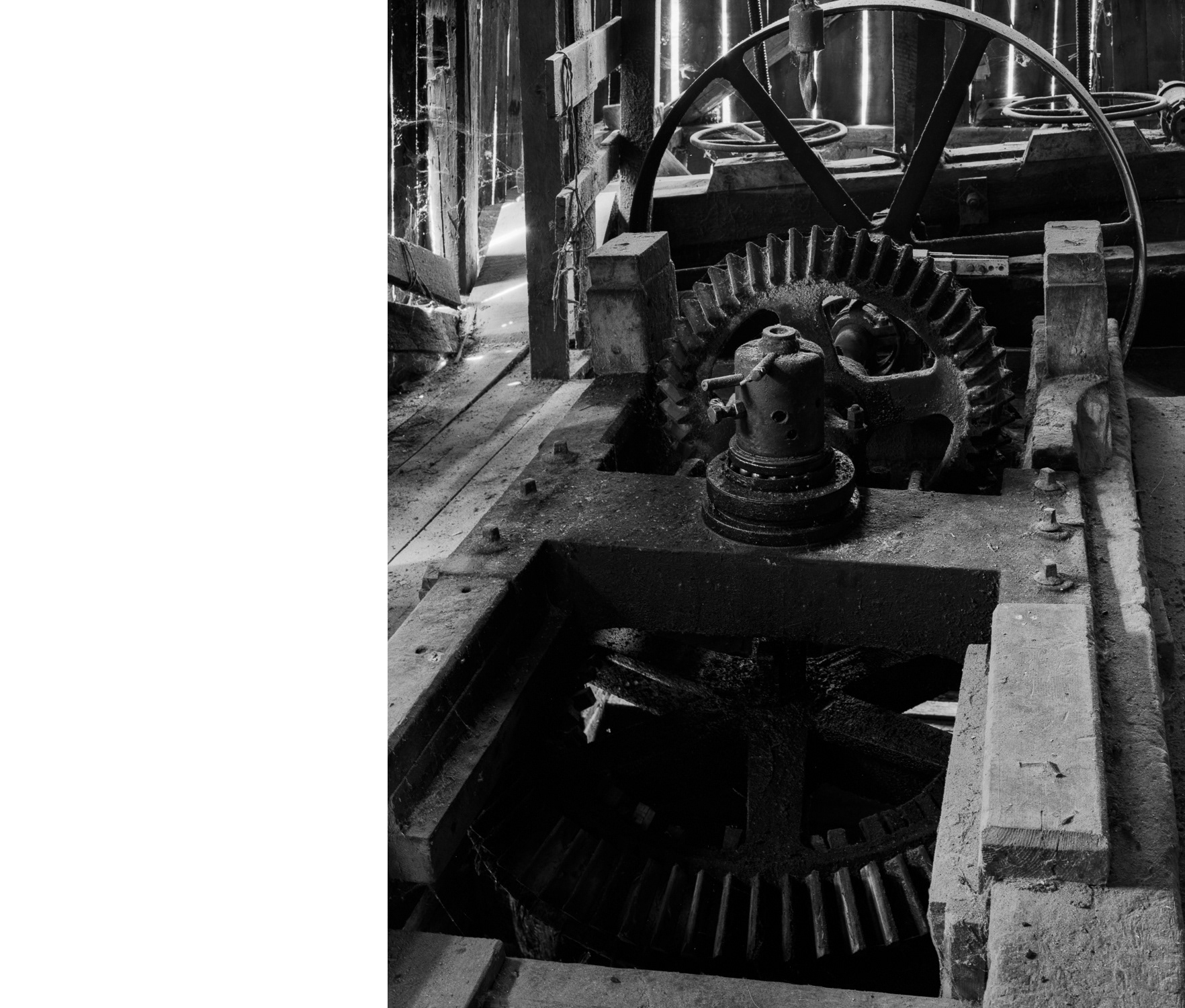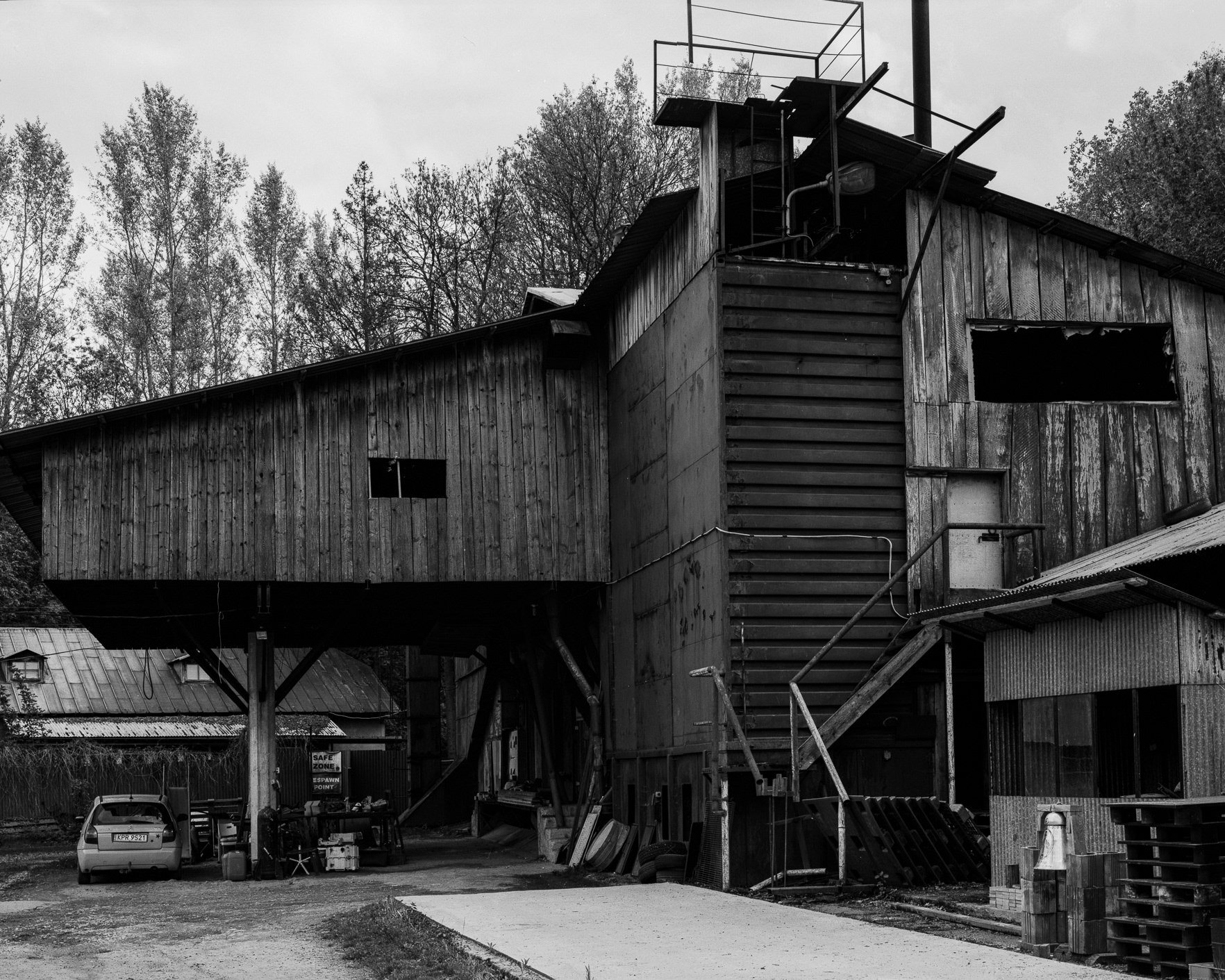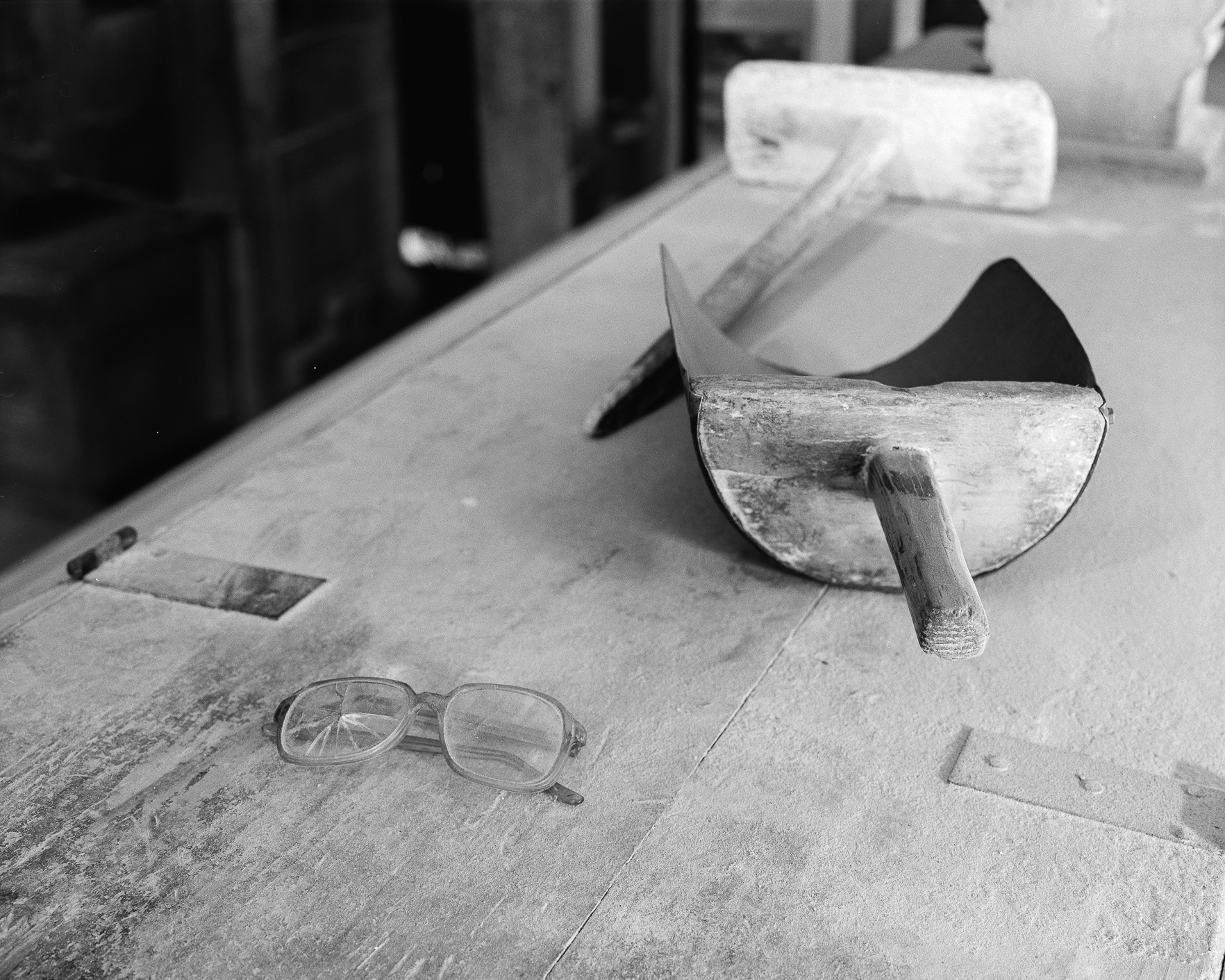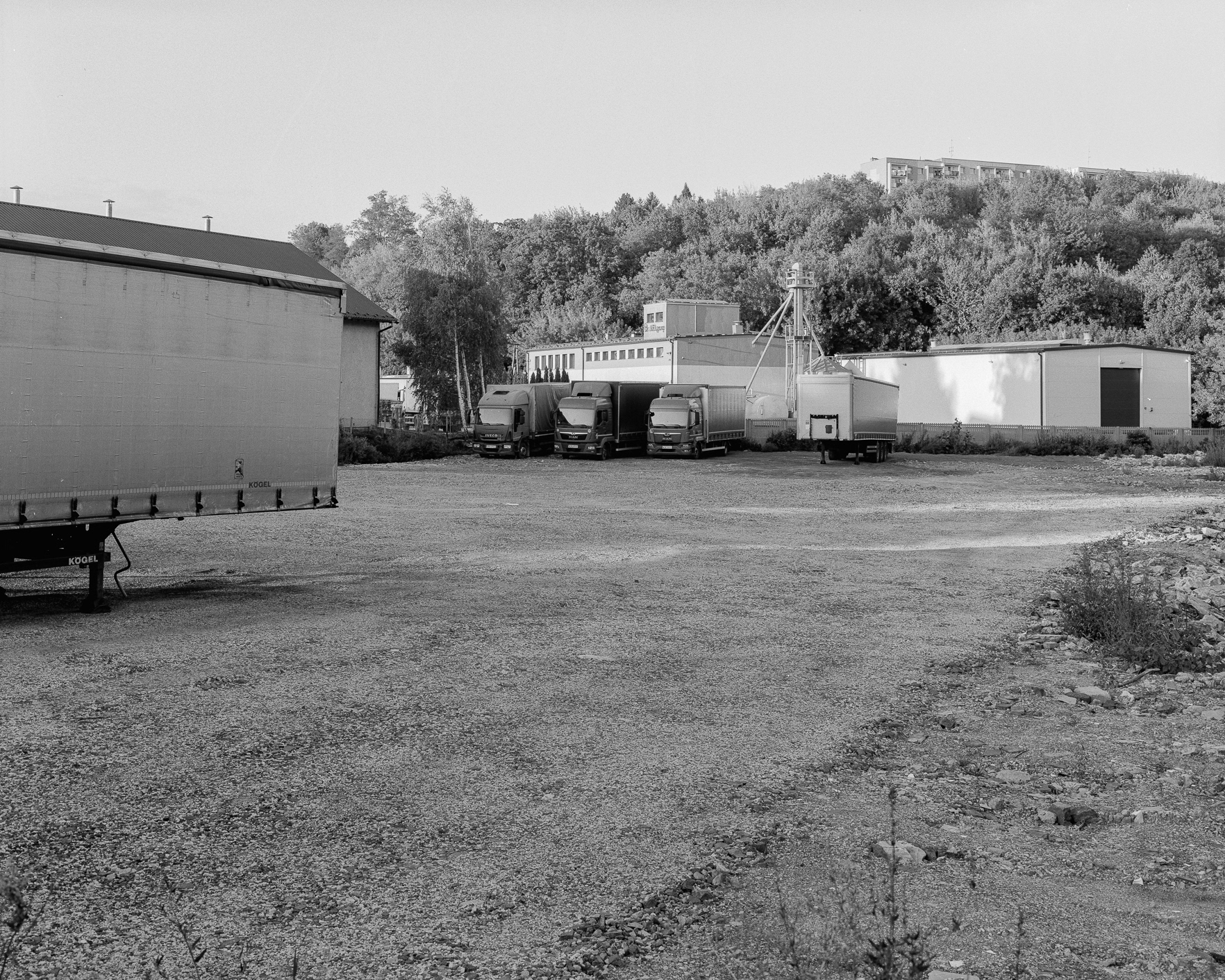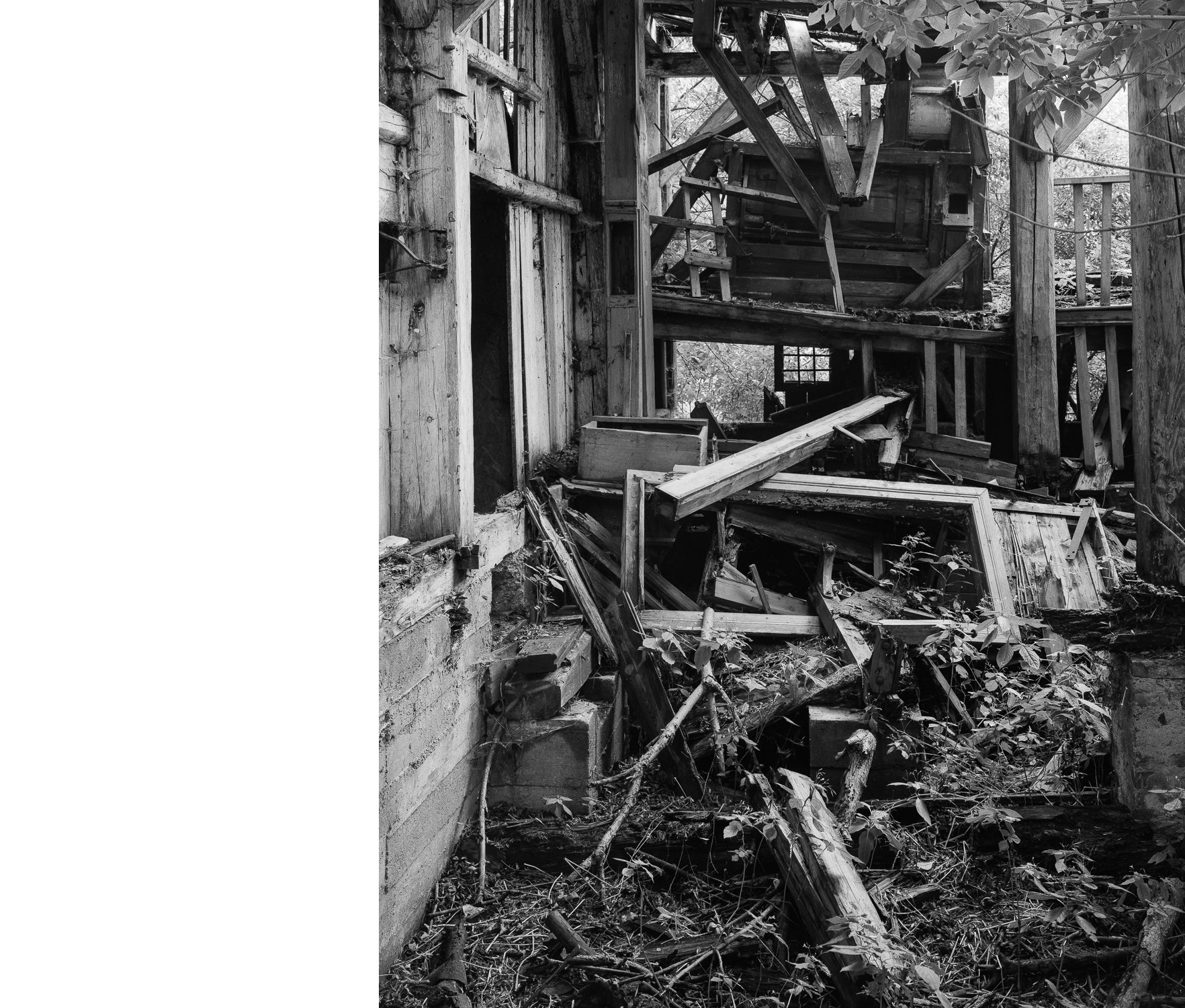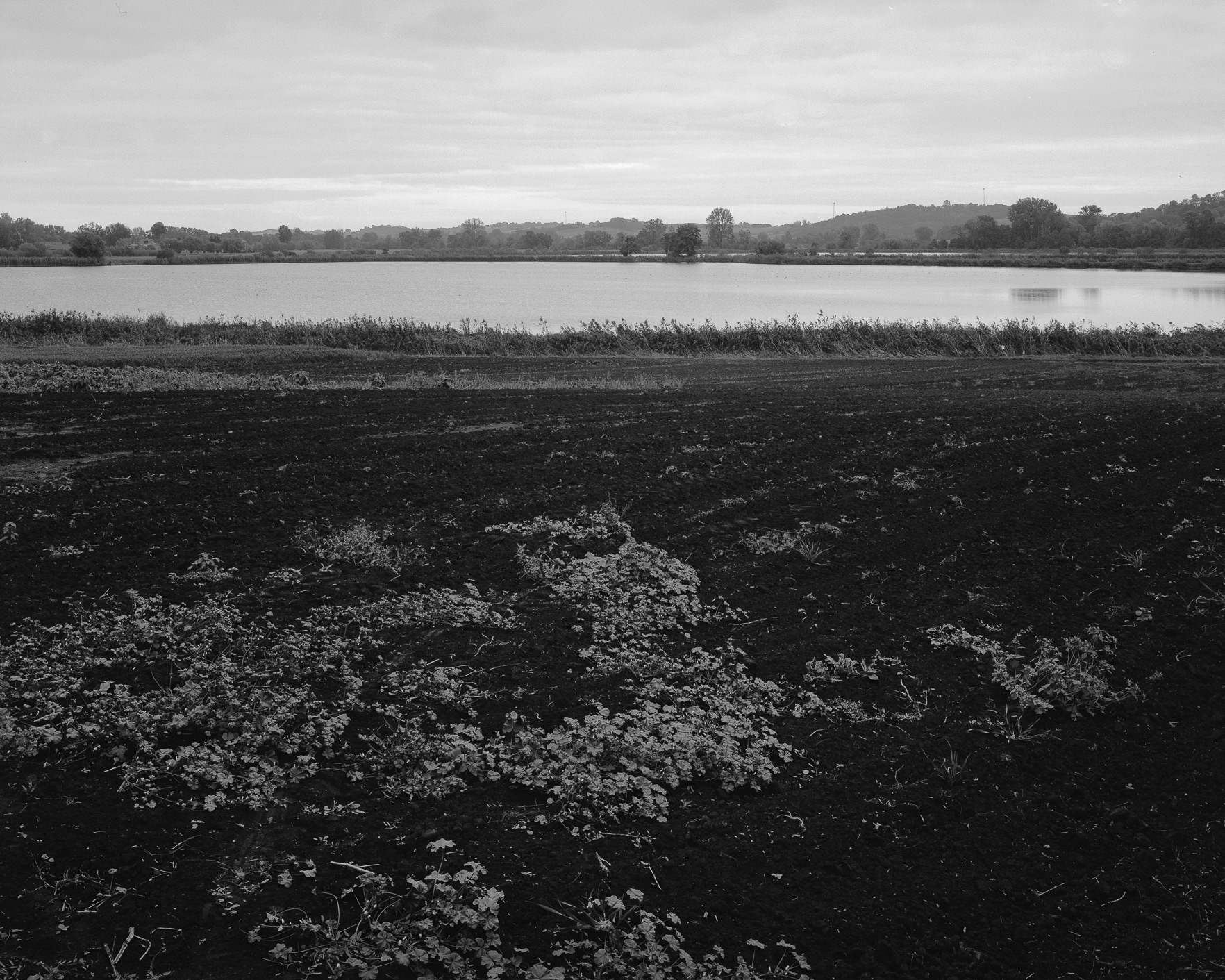
At the turn of the 20th century, the Szreniawa river basin emerged as an axis of rural industrialisation, punctuated by a network of family-operated watermills. Today, these sites persist across varying states of transformation. Globalised supply chains and shifting agrarian economies have gradually rendered small-scale milling obsolete, while depleted river flows, driven by changing regional climate, have altered the hydrological forces that once defined them. Consequently, some structures remain operational under descendants of their founders, others have adapted to new functions, and many endure only as structural or environmental fragments.
This series examines the Szreniawa mills not as nostalgic relics, but as active infrastructures of space and time. By documenting the physical structures, preserved machinery, and the people whose identities remain bound to these operations, the project traces the tangible residue left when economic momentum and natural currents subside. The resulting imagery maps the subtle transition between presence and subsidence; capturing the residual authority of labour and memory within the altered landscape.